Physical Address
304 North Cardinal St.
Dorchester Center, MA 02124
Physical Address
304 North Cardinal St.
Dorchester Center, MA 02124

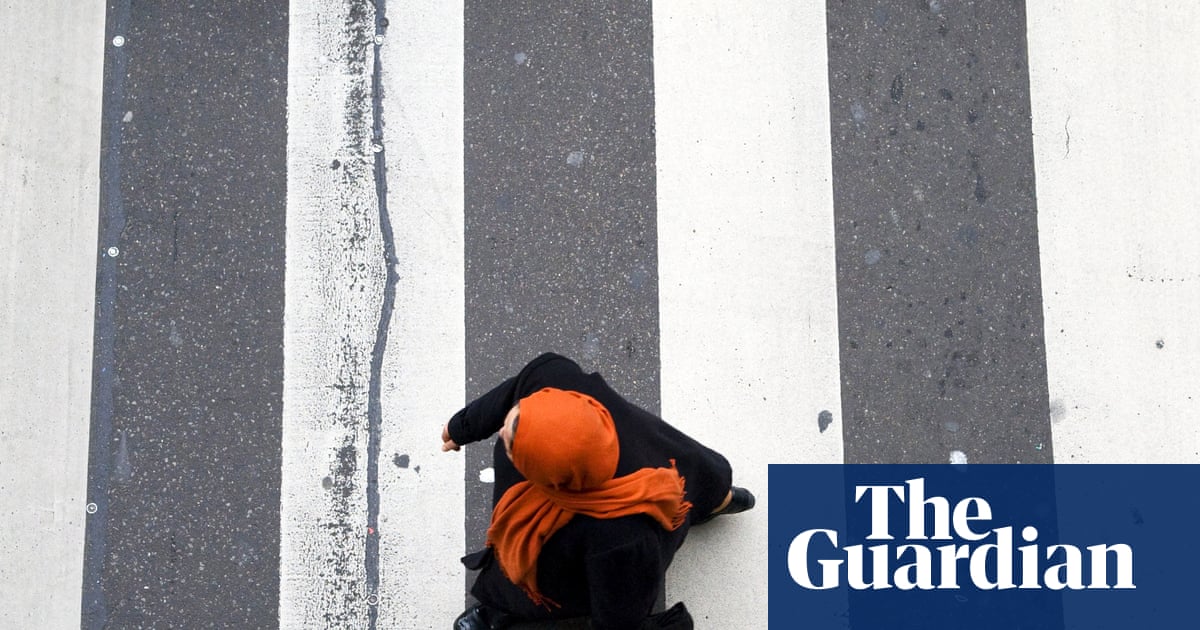
Lawmakers Attack they have made significant changes to ban the heads of girls under the age of 14, although the organizations are frustrated by the division of groups that can say and areas. The law can also be challenged by the national court.
The ban was requested earlier this year by the Austrian government, which took office In March, after the most suitable party started to the elections but failed to form a government.
Before the plenary vote on Thursday, Yannick Shetty, the leader of the Parliament of soos, the group of the largest party in the council, defended the ban. He told the lower house: “This does not equate to the right to ban, but to protect the rights of girls up to 14.
“It (the headscarf) is not just clothing. It is a catch, especially for children, to block girls from the male gaze. It is sexual,” he said.
The ban is expected to come into force at the end of the new school year in September, and families are facing €800 (£700) fines for repeating it. The soft implementation of the rules will begin in February. As the new rules define teachers, parents and children.
Thursday Rules it records the second time that when the government is led by the group of the right people (Övp) it has set its form on the head. In 2019, as part of the agreement that included the Far Right, Austria banned the topics of girls under the age of 10. Laws after that he was destroyed As far as the Supreme Court of the country, which explains that it is discrimination in the name of Muslims.
This time, the government said it tried to avoid the same. A ghost in the near future he told reporters: “Which court will it go through? I don’t know. We have done everything we can.”
Although uncertain, lawmakers support a more restrictive ban. The only party to challenge was the opposition party, which argued that the Act was not immune.
When it came to the vote, the Bill was criticized by organisations, including Aarney International, which said it “doesn’t empower girls – on the contrary, it adds another form of discrimination against Muslims”.
Austria’s Muslim group, the IGG, said the ban leaves children “unsettled and addicted”. In a statement on his website, IGGö said: “These are symbolic politicians listening to the victims.”
Angelika Asainger of Amazonian women’s rights, said the ban “sends a message to girls that they can choose their products and that this is acceptable”.
Others pointed to a bigger picture. Fartid Haelz, a senior researcher at the University, said that the conflict was being misused for the Austrian economy, including a budget deficit of 4.7% of GDP. “In this case, the controversy over the Hijab provides an easy way to change the deep problems,” he wrote earlier this year.
Academics doubted whether the ban would be banned in court, Hafez said that even if faced with a challenge, the damage has been done. “It sends a happy message to the Muslim community: that their faith, and by extension their identity, is unknown to the Astrian Society.
“Austria’s planning on the Hijab house is not about children but about exclusion, exchange Islam As a major politician, it is telling the new generation of Muslims that their place in Austria will always be dangerous,” Hafez added.